Deforestation In Borneo Due To Oil Plantations: Action Plan!
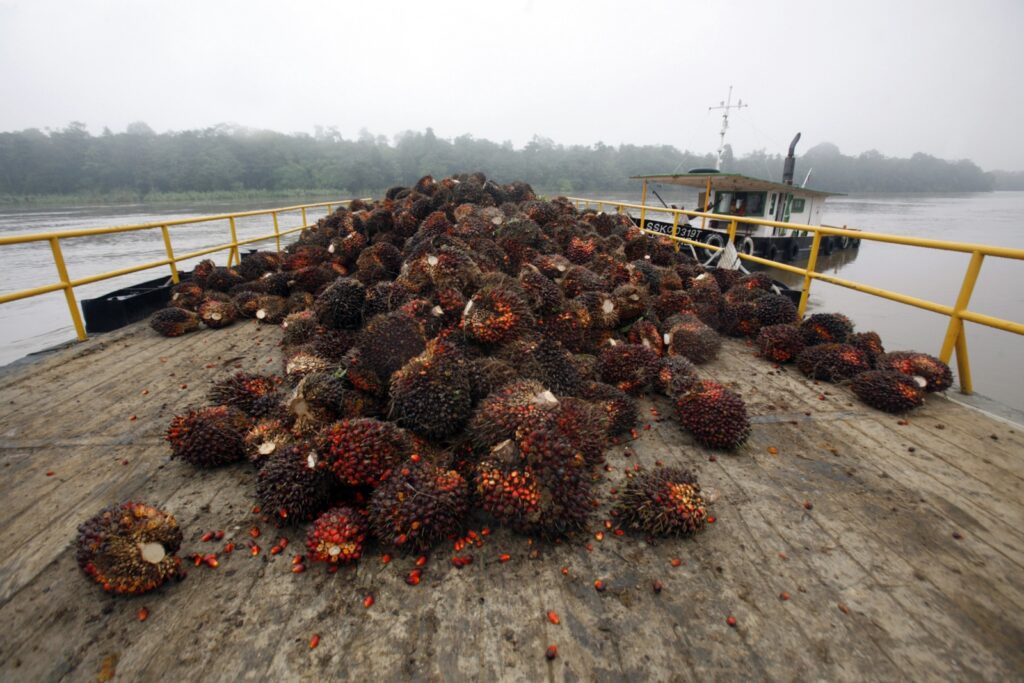
ByIn Borneo, they have been cutting down palm oil trees for it’s palm oil. In my first blog post, I said palm oil is responsible for 35% of forest loss in the Indonesian part of Borneo, and 46% on the Malaysian side. You can find it in many things such and lipsticks, ice cream, pizza, detergents, and biodiesel.
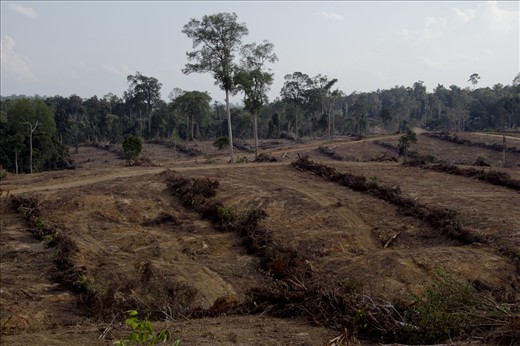
A way we can this issue, is we can spread it around the world. (The issue). We also can tell the people who are cutting the trees down to stop. The thing is, the thing that contains the palm oil , is the palm oil fruits. So why are we cutting down the tree’s? If we really need palm oil that badly, we can just take off the fruits from the tree’s , but only a bit. Also, we are a world that has discovered many good and useful things, so why don’t we come together and find a better, and healthier way to fill in the gap of stuff that use palm oil in it.
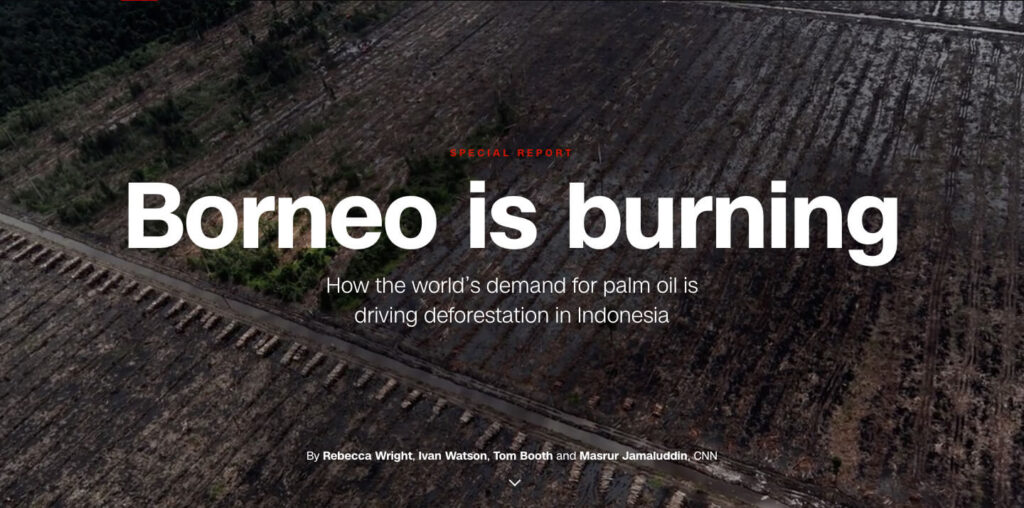
Some people I have to back me up are the indigenous people in Borneo. They do not like how people are changing their world. They have a website called “The Borneo Project.” It talks about how they fight against deforestation in Borneo, and take action to try and stop everything that is going on. The reason I chose this group, they live there and know what is happening in there country. They have the full experience of seeing this happen and know what is happening. My second team member(s), would be my family and friends. My friend Allie, (Alison) would support me on this. She is one of those people who helps support these kind of causes. Also my family would always help support my causes, even if they don’t fully understand why I’m choosing this, or they might not think the way I do, they still support me. I chose them because they are very supportive people.

The process would be that we would have to start off with getting a big team, which could take a while. This team would be a group of people who want to help fix the problem. Then we would have to convince people to stop cutting down the trees and only do if it is going bad. (But you should plant another tree to substitute it.) Then we would have to help find a new job for all the workers who were working with taking down all the trees, and getting all the palm oil fruit. This would be a very expensive journey. It would approximately cost over a billion dollars.
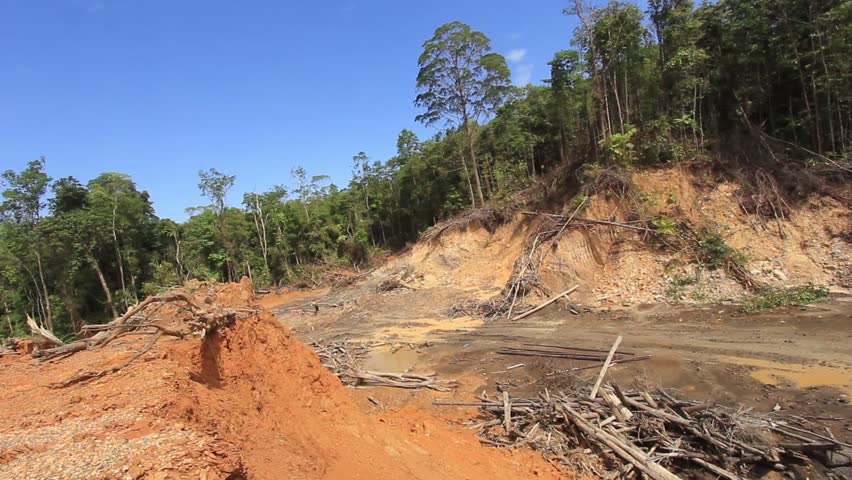
For the first job, it would be to create a big team, which would be about two months or so. The convincing and protesting, would take even longer. I say it would take about four months. Then we would also have to find a new job for the employee’s who cut down the trees. A job they could de, is help plant back some trees and recover the economy. The planting the trees part would take about six months itself, the recovering the economy would take a decade or more. Recovering almost all trees can’t just take a few months, it would take years upon years. Then we would also have to find a new substitute for palm oil.
In “The Borneo Project,” in their blog post, “How indigenous communities can save forests-and the human species.” They say, “We need regenerative livelihoods that build resilience in communities, not massive extractive industries that create wealth for a few people while stripping away the resources and resilience of communities.” (Very bottom of page, Daniele Speziale original author. Original place written: https://aliran.com/thinking-allowed-online/biofuels-green-camouflage-for-big-bioenergy-and-forestry-industries/).
Another one from the same exact article, it says, “The government should grant full native customary rights to enable communities to manage their land. The current process for obtaining NCR is very long, difficult, and complicated, and recent policy changes have attempted to reduce their territories even further.” Says Daniele Speziale. (Third last paragraph in the article).
Then, in another article “3 reasons deforestation in Borneo could cause the next global pandemic.” It says, ““Rampant deforestation, uncontrolled expansion of agriculture, intensive farming, mining and infrastructure development, as well as the exploitation of wild species have created a ‘perfect storm’ for the spillover of diseases from wildlife to people” write professors Josef Settele, Sandra Díaz, Eduardo Brondizio and zoologist Peter Daszak.” then goes on to say, “Experts point to deforestation as one of the key risk factors for emerging infectious diseases, along with the wildlife trade and factory farming.” (The Borneo Project) *There was no Author*
References:
The Borneo Project: Blog
https://aliran.com/thinking-allowed-online/biofuels-green-camouflage-for-big-bioenergy-and-forestry-industries/)
Forestnews.cifor.org
UNEP.org
wildlife.org