Our Action Plan…
By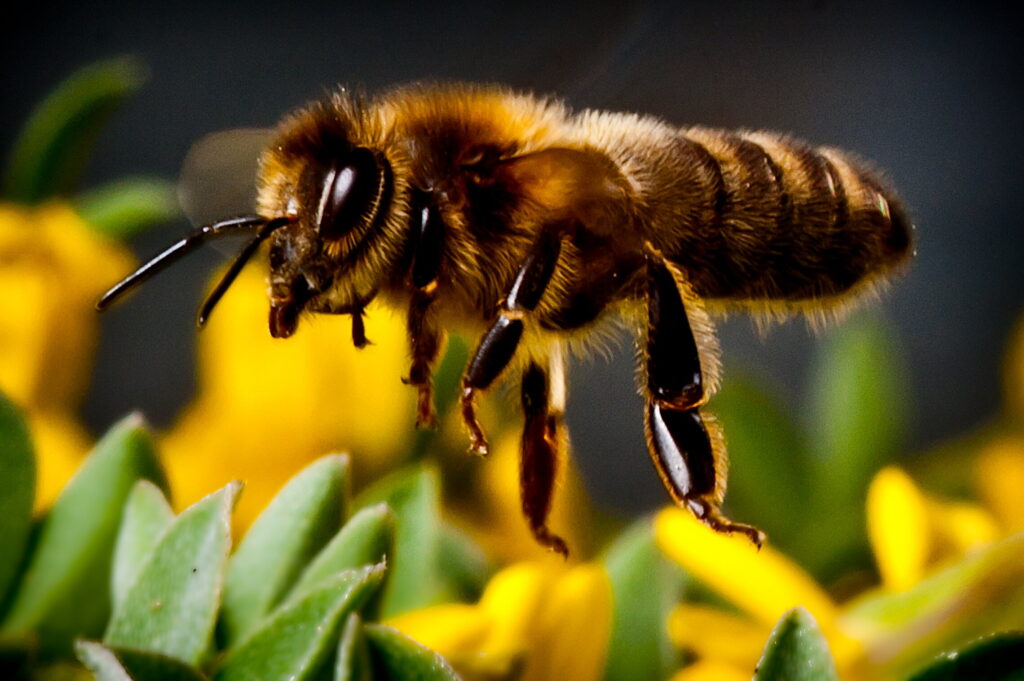
If we were to take a look at a bee ecosystem, we know that as pollinators, bees play a part in every aspect of the ecosystem. They support the growth of trees, flowers, and other plants, which serve as food and shelter for creatures large and small. Bees contribute to complex, interconnected ecosystems that allow a diverse number of different species to co-exist.
This is why we need to take an active approach towards the decline in the bee population it has been an important cause. Honeybees perform more than 85% of pollination of many of our cultivated crops, so here’s “our plan”. We have collected information, came up with a plan and built up a team of activists to contribute to this cause.
Our plan consists of “5 ways to save the bees”
1. Plant a Bee Garden

A lack of safe habitats where bees can live and find a variety of nutritious food sources is one of the biggest threats to bees. You can create a pollen and nectar-rich habitat corridor with a bee garden. Growing bee-friendly plants doesn’t require a lot of space – gardens can be created in window boxes, flowerpots, and planters. Also, you can find ways to enrich public and shared spaces by collaborating with local organizations and governments.
2. Go Chemical-Free for Bees
Neonicotinoids, pesticides, fertilizers, and herbicides, as well as synthetic pesticides, are harmful to bees, causing harm to their delicate systems. Avoid using synthetics in your garden and green spaces. Consider organic products and natural solutions to improve soil health, including adding beneficial insects like ladybugs and praying mantises to ward off pests.
3. Provide Trees for Bees

Did you know that bees get most of their nectar from trees? When a tree blooms, it provides hundreds — if not thousands — of blossoms to feed from.(the bee conservation, 2009). Bees need trees for a number of reasons, including food and habitat. Bees use tree leaves and resin as nesting materials, while natural wood cavities make excellent nesting sites. You can help bee habitats by participating in tree-planting campaigns in your area, especially with deforestation and development on the rise.
4. Build Homes for Native Bees

Providing bees with green spaces will allow them to have more spaces to produce and reproduce, so the more the merrier!
5. Support Local Beekeepers and Organizations

Neighborhood beekeepers make a solid effort to support their honey bees and the nearby local area. The least demanding way of showing your appreciation is to purchase privately made honey and beeswax items. Numerous beekeepers use items from their hives to make cleansers, creams, and beeswax candles. In addition, neighborhood honey isn’t just delightful it is produced using nearby verdure and may assist with occasional sensitivities! You can likewise give time, assets, and money related gifts to neighborhood beekeeping social orders and ecological gatherings to assist their projects with developing.
Now all we need is to find people to help bring awareness to these actions. For that my team consist of 3 amazing groups.
David Suzuki Foundation empowers people to act in their communities on the environmental challenges we collectively face.
David Suzuki Foundation is bringing awareness to the use of neonist that is a harmful pesticide that is affecting the decline in the bee population. They are acting on this cause by sending letters to the government and getting the website readers to sign up to the agreement, their current goal is to reach 10,000 signatures. So far, they have been able to get 8995 signatures.
While neonist is notoriously toxic to bees, they can also harm other beneficial organisms, including aquatic insects like mayflies, which are an important link in the food chain. Evaluations by Canada’s Pest Management Regulatory Agency found that these chemicals are polluting Canadian waters at levels harmful to aquatic insects.
2) Futurism
Futurism covers various topics on science and science fiction.
The post containing info on the bee crisis was posted by Allison Barker. She believes that it is important to save the bees as they provide every one in three bites of food (which is a third of our food supply). Bees pollinate not only fruit and vegetable crops but also seed crops. We can not continue to plant and grow crops without the bees to pollinate
She says that pesticides are the main cause to this issue
3) Mossy Earth
Mossy earth shares a passion for the outdoors and the preservation of our natural world. As such they work with one mission in mind, to restore wild ecosystems, support wildlife and biodiversity and help fight climate change
They’re on the ground impact is funded through the Mossy Earth membership and they strive to make it a fun and interactive experience for all our members. In order to be as transparent as possible.
This post was written by Matt Davies, he lists the 7 ways to reverse bees’ demise & prevent a bee extinction. He says that the following will help the cause
- Go Organic
- Build a bee hotel
- Plant for pollinators
- Build a beehive
- Support your local beekeeper
- Sponsor a beehive
- Support rewilding projects
In these topics he covers how each of them will help make an impact in resolving this issue.
Our team goal is to accomplish our goals by near future at latest 2025, I think that it is possible for each an every home to have some way of contribution towards this cause, as our plan mainly consists of simple plans.
My teams objectives include both short term and long term ongoing tasks such as coming up with a local donation plan to help support our future aims. We are planning to plant 1 tree per house in each town. Help contribute to our goal by donating to #BeeTheSolution
With this great plan and amazing team I think that we will be able to strive through this issue and help the world become a better place for our future generations. Let’s all save our planet together!
This is our plan towards “The Decline In The Bee Population”
Sites
https://thebeeconservancy.org/10-ways-to-save-the-bees/
https://www.uaex.uada.edu/farm-ranch/special-programs/beekeeping/pollinators.aspx
https://www.buzzingwiththecommunity.com/
https://davidsuzuki.org/action/canada-must-ban-neonics-now/?
very informative articles or reviews at this time.