Grade 9 Science Journal Q1
Just another LearningHood Network site
Archive for ‘September, 2021’

The decline in bee population By Rylee Gowland The problem I am working on is the decline in bee population. There are many things that are causing this. That is what we will be mainly talking about. The bees do so much for us and we barely do anything in return. We damage their homes and destroy everything they…

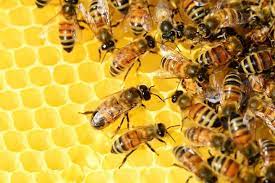
Bees and most pollinators are declining largely in numerous parts of the world due to intensive farming practices, mono-cropping, excessive use of agricultural chemicals, humid temperatures caused by climate change, nutrition lack, deforestation, pollution etc. In recent years declining bee populations have led to decreased floral reproduction, lower fruit yields, and less biodiversity causing rapid impacts…
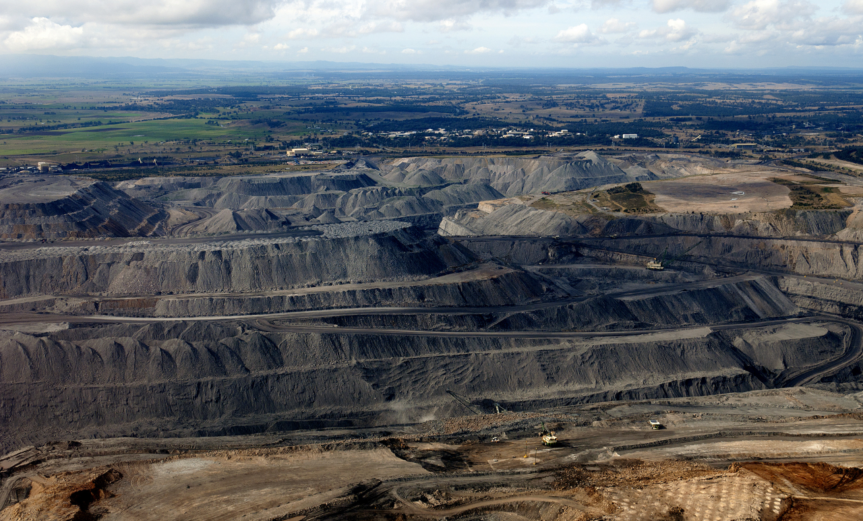


Bees and other pollinators are declining in abundance in many parts of the world largely due to intensive farming practices, mono-cropping, excessive use of pesticides, drought, habitat destruction, nutrition lack, air pollution, global warming, and deforestation, and higher temperatures associated with climate change, affecting not only…
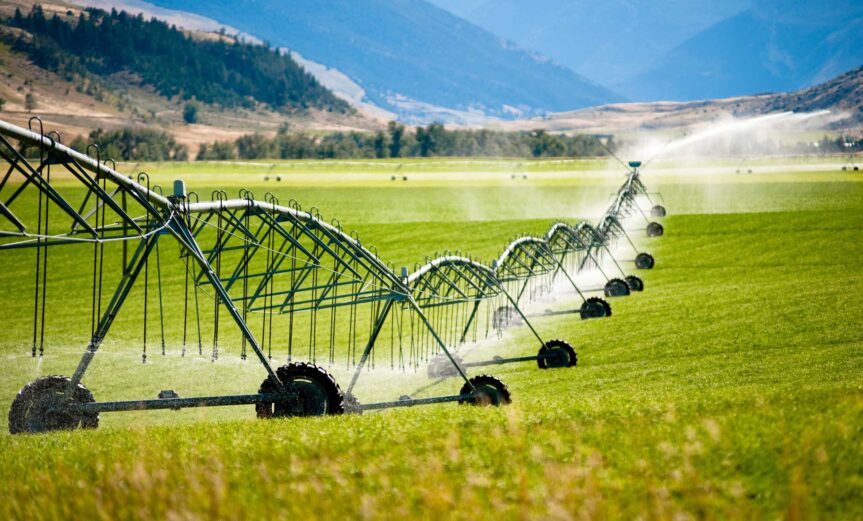
Intensive farming has widespread negative consequences on the marine ecosystem and water supply. Running off from barnyards and feed lots can carry manure into our water system. Excessive use of fertilizers also contaminates water bodies, rivers and lakes (Pollution). All biotic ecosystems are affected in these operations because pollution from run…
The main ecological issue is overfishing. Aquatic ecosystems are affected by overfishing because if there are losses in fish then other ocean creatures will slowly die of. Japan, China, the U.S., Indonesia, Chinese Taipei, and South Korea are the main issue of overfishing, and the long-term effect of overfishing is loss of fish, which would mean loss of other ocean animals such as, such as, killer whales, sharks, sea lions, and any other ocean carnivore. Coral reefs are affected…


